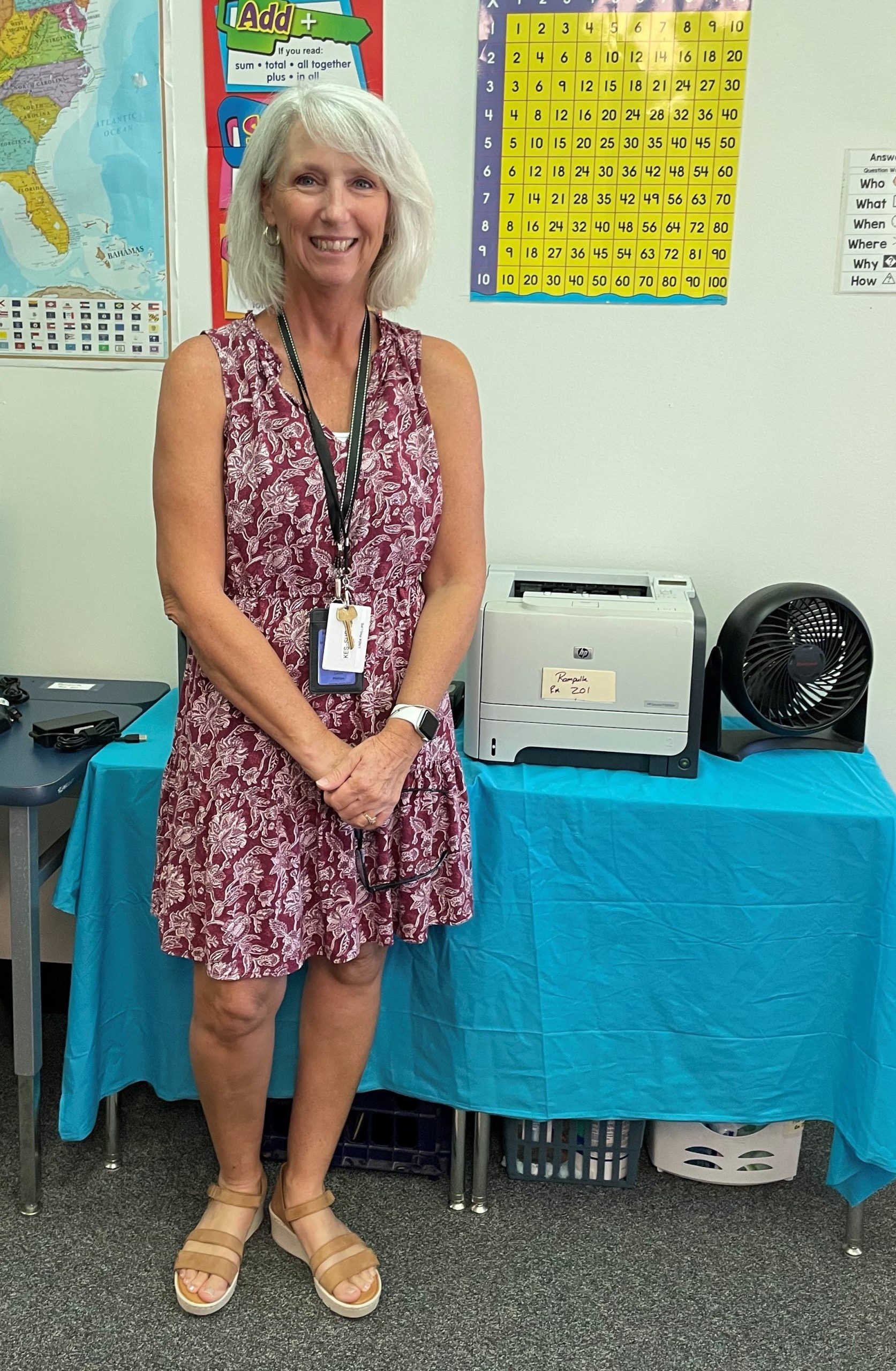
Linda | FL
Age: 54
Diagnosis: HER2 positive breast cancer
Chemotherapy Regimen: TCHP
Total Treatments: 6
Infusion Center: Baptist MD Anderson, Jacksonville
Tell us about yourself.
In the spring of 2022, I was a middle school teacher in Northeast Florida getting excited about my upcoming summer plans to be with my older children, grandchildren, and welcome my third granddaughter. All that changed at the end of April when I was diagnosed with HER2-positive breast cancer. I had felt something for a couple of months and my fears were confirmed after a mammogram and biopsy. When I went to the doctor to receive my results, my first two questions were, “Do I need chemo?” and “Will I lose my hair”? The answer was yes to both and I cried as I grappled with this difficult reality that loomed before me.
How did you find out about DigniCap?
At my first oncology appointment, I received even more daunting news of the aggressive form of cancer in my body that would require a year of treatment, including six chemotherapy infusions with one every 21 days. It is hard to explain the overwhelming feelings that were swirling around my mind as we were checking out from the appointment. At that same time, my nurse navigator brought me the DigniCap brochure and told me if I went to the downtown location for my infusions, I could use the DigniCap to save my hair. I was surprised that scalp cooling was even an option. I went home and quickly read the reviews and protocols surrounding DigniCap. My husband and I decided it was worth a try, so I ordered the kit, sulfate free shampoo, and a detangling comb. I read and reread the pamphlet and got ready for my first treatment.
“I could look in the mirror and still be me. I think this helped me to maintain a positive outlook as I began to heal and move forward.“
Did you have a successful experience using DigniCap?
After each treatment I did lose hair. I washed my hair twice a week and each time the drain was full. Hair constantly fell out each day. After the second treatment, I almost gave up. I thought I might lose too much hair and dealing with the cold was too much. Talking to a friend who lost all of her hair during her cancer journey made me keep going. She said, “If I could have kept even half of my hair, it would have been worth it.”
For me, it did work! Most people can’t tell that I lost any hair. After all six infusions, my hair feels silky and there aren’t any bare patches. I will say, the doctors were surprised and commented that I don’t even look like I went through chemo. I am very thankful for DigniCap and the technology that helped me save my hair.
My doctor was kind to give me anti-anxiety medication to take at home and more during the infusion. This helped me to sleep, and I wouldn’t have been able to complete the treatment without it. My wonderful husband went each time, helped me to the bathroom, and wheeled me out to the car in a wheelchair. For me, the treatments were unpleasant (to say the least). I felt anxious to talk about it with others as the day approached. With all that being said, it was worth it, and I am glad I did it.
Why was keeping your hair during chemotherapy important to you?
I knew from watching others that losing your hair would be the hardest part of the treatment. As I said, I live in Northeast Florida and my treatments were over the summer. Wearing a wig would not have been an option in the heat. I knew myself and keeping my hair would help me to maintain a positive outlook. After all my treatments are over, I feel like I can begin to get back to some normalcy. I can go to new things and meet people, and my cancer doesn’t have to come up. My friend who lost all her hair has a very long journey until she can remove the wig and feel semi-normal.
How did keeping your hair affect you, and those around you?
Cancer brings loss: the loss of a sense of normalcy and feelings of being in control, loss of your routine and activities that you have to put on hold, financial loss due to the onslaught of medical bills and time off from work. You lose time with family and friends, along with the loss of canceled trips and dreams deferred. Because I saved my hair, I didn’t have that loss. I could look in the mirror and still be me. I think this helped me to maintain a positive outlook as I began to heal and move forward. When I met new people, the conversation didn’t have to revolve around cancer because they couldn’t tell what I was going through, and I only had to tell them if I wanted to. My family would have loved and supported me with or without hair, but by keeping my hair, I think, it helped that when they saw me, I looked the same as always, and this gave them comfort that I was going to be okay.
What advice would you give to someone who is going through a similar experience, or who has recently been diagnosed and is considering scalp cooling?
If your center allows it, use an electric blanket or make sure they wrap a warm blanket around your back. It is very cold and you will shiver. Don’t worry about wetting your hair first, because they have to drench your hair in water. The squirt bottle doesn’t cut the amount of water needed to wet your head. Make sure to double check that your ears are covered well so your ears are not burned.
Follow all the protocols. It is work on your part to save your hair. I followed everything to a T. I only washed my hair twice a week, combed it twice a day, didn’t get it wet in the pool or ocean, only wore a loose hat for short periods in the sun, didn’t use any products or heat. Weigh the cost and the support you have during the infusion before taking this on. The extra time on the infusion is considerable (two extra hours for me). You will need support and a driver if you take the anxiety meds.
.
-

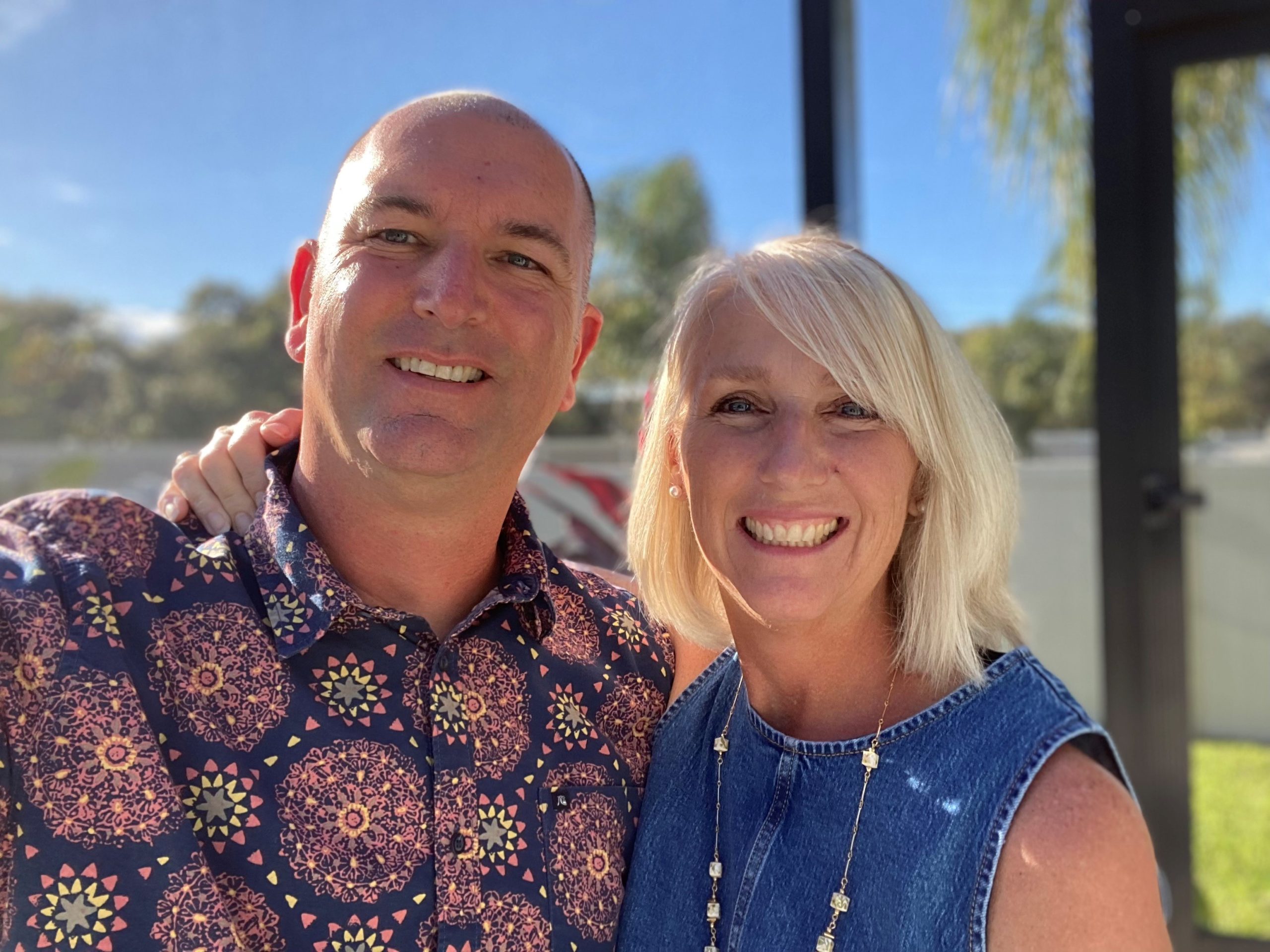
- Pre Chemo

-

- Pre Chemo

-

- Pre Chemo
-
- Treatment Day

-

- Ringing the Bell

-

- After Final Treatment

-

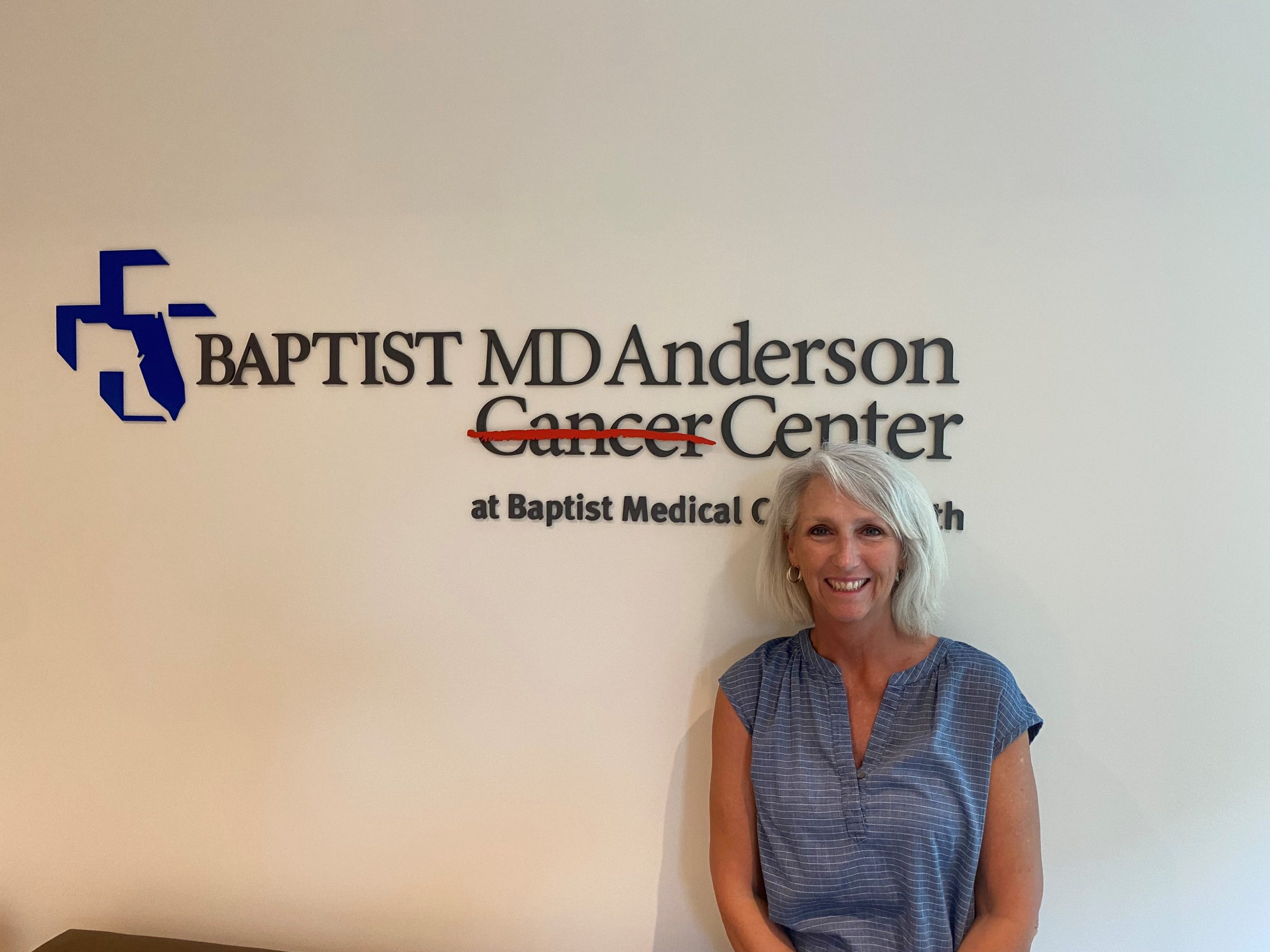
- 8 Months PFC
-

- 1 Year Post Final Chemo
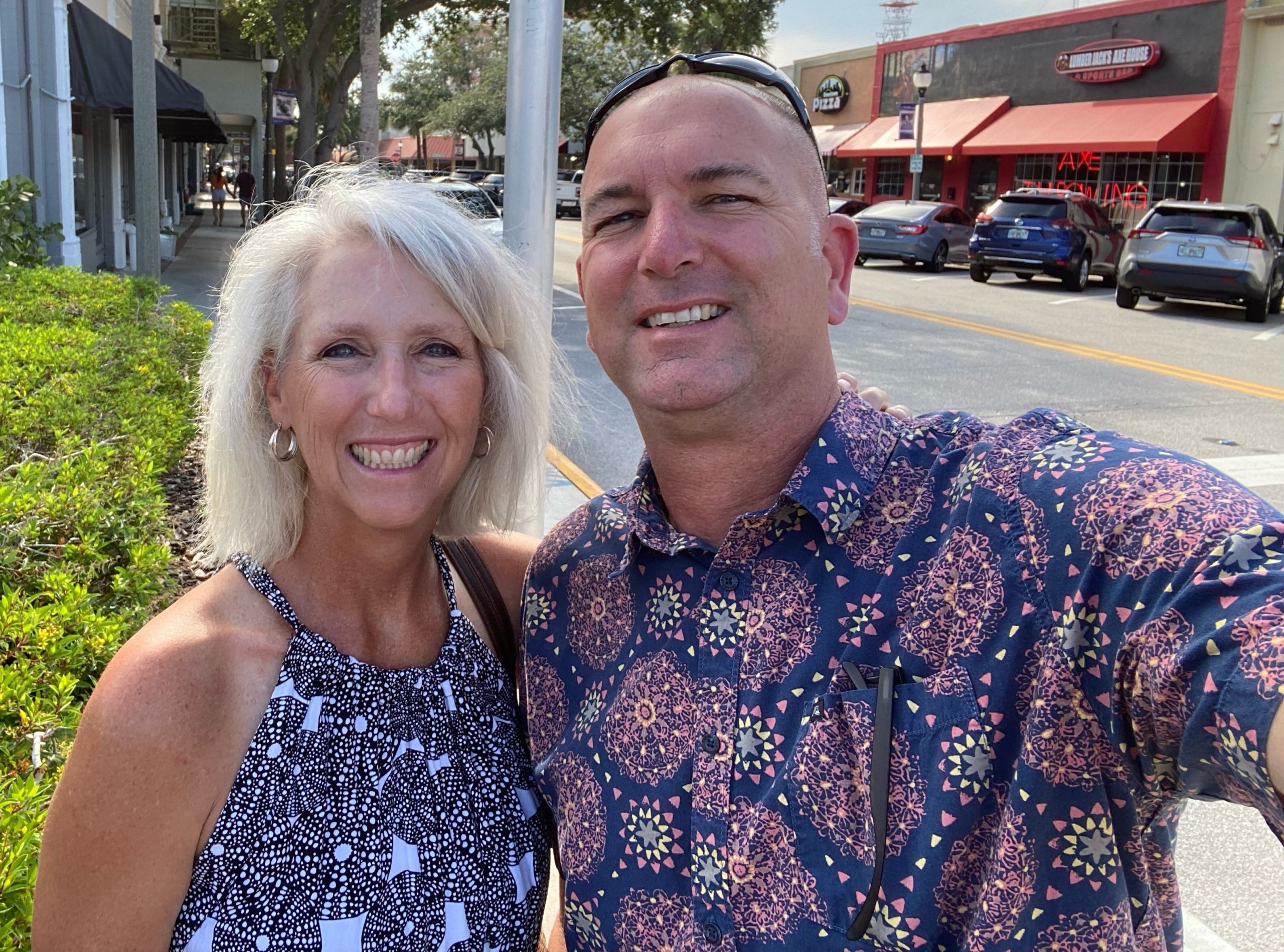
-

- 1 Year Post Final Chemo

-
- 1 Year Post Final Chemo